
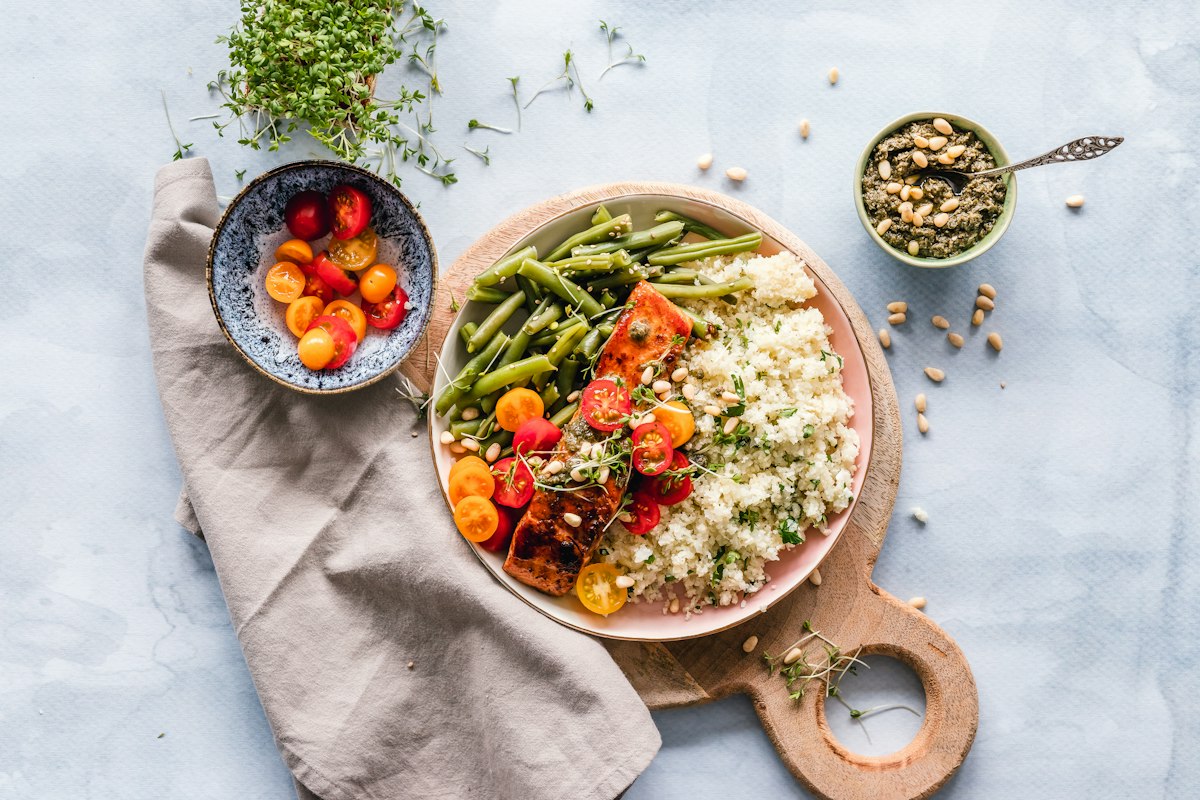
Eat Smart, Live Well: Best Foods & Salads for Everyday Wellbeing
Welcome to Potencynutrition — your guide to nutritious supplement products and balanced nutrition every single day. We explore the science and pleasure of food choices that support stable energy, healthy weight, and vibrant daily living — with a special focus on low-glycemic, nutrient-dense meals and fresh salads anyone can prepare.
Looking for practical, everyday meal inspiration?
Our editorial team covers the most effective low-glycemic foods, portion strategies, and fresh salad ideas — updated regularly for readers across France and beyond.
Read Our Latest ArticlesWhy Smart Food Choices Matter Every Day
Understanding the relationship between what we eat and how we feel is the cornerstone of Potencynutrition's editorial mission. Here are the core principles that guide our content.
Glycemic Index Awareness
Foods with a lower glycemic index release energy more gradually, helping to keep blood sugar levels more stable throughout the day. Understanding the GI of common foods is a foundational step in smarter eating — and our guides explain it in simple, actionable language.
Fiber-Rich Eating Patterns
Dietary fiber from vegetables, legumes, and whole grains slows digestion and promotes feelings of fullness. A fiber-rich diet is consistently highlighted in nutritional research as one of the most powerful tools for managing appetite and supporting a healthy metabolic rhythm.
Hydration & Micronutrients
Many people underestimate how closely water intake and micronutrient balance connect to overall vitality and energy. Fresh salads are an excellent way to boost both simultaneously — combining high water-content vegetables with vitamins, minerals, and antioxidants in every bite.
Why Your Daily Food Choices Shape How You Feel
Every meal is an opportunity — not just for nourishment, but for actively steering how your body responds throughout the day. For people who need to be mindful of their blood sugar levels, the daily plate becomes even more significant. At Potencynutrition, we focus on translating complex nutritional research into understandable, usable guidance for everyday readers in France and across Europe.
The foods you choose in the morning can affect your afternoon energy levels, your mood, your appetite, and even your sleep quality. Low-glycemic vegetables, lean proteins, healthy fats, and moderate portions of slow-release carbohydrates form the backbone of what our editorial team consistently recommends exploring. Fresh salads — when built correctly — can be one of the most satisfying and health-supportive meals of the day.
- Stable energy throughout the day by prioritizing slow-digesting foods
- Reduced mid-day crashes with fiber-rich vegetables and legumes
- Better appetite regulation through whole, minimally processed ingredients
- Improved variety and flavor when you learn to build smart, colorful salads
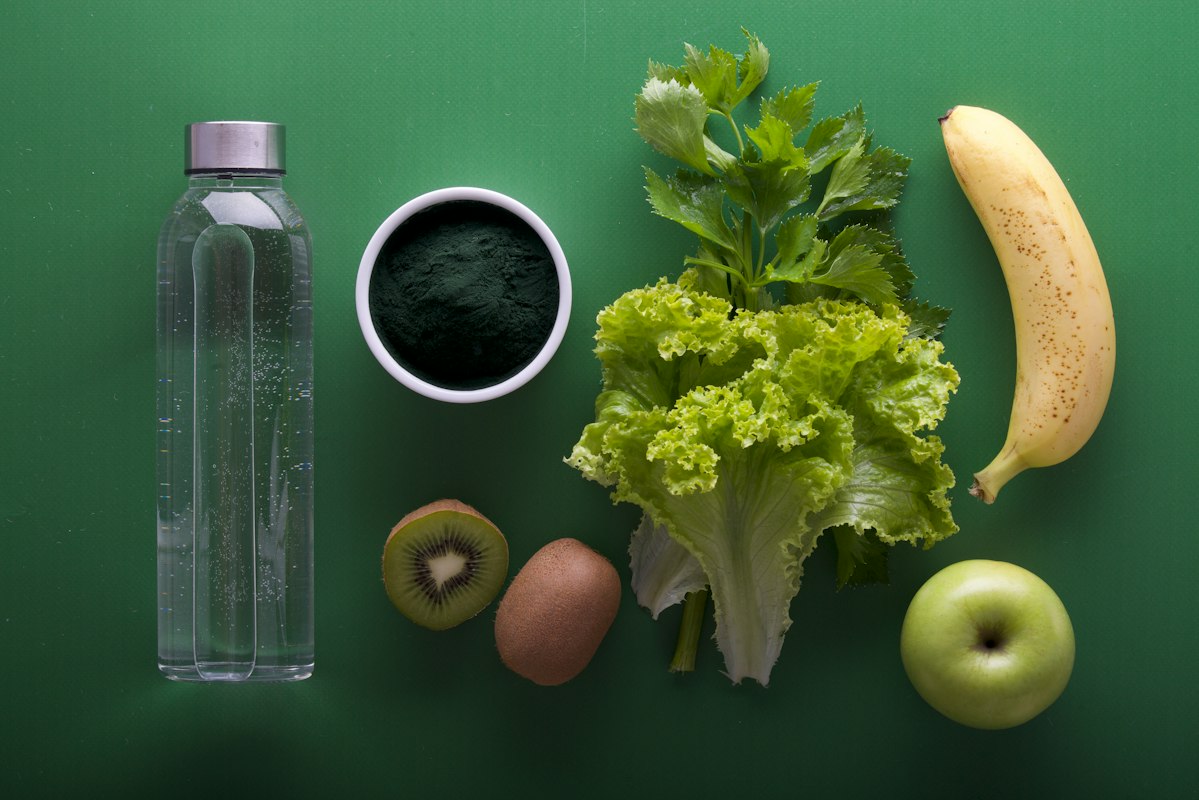
Top Blood-Sugar-Friendly Foods to Add to Your Plate
These are the foods our editorial team returns to again and again — nutrient-dense, low-glycemic, and genuinely delicious when prepared thoughtfully.
Dark Leafy Greens
Spinach, kale, rocket (arugula), and Swiss chard are among the lowest-GI vegetables available. They are packed with magnesium, vitamin K, and folate — nutrients that support everyday energy and nervous system function. Use them as the base of any salad for maximum nutritional benefit.
Fatty Fish
Salmon, mackerel, sardines, and trout are excellent sources of omega-3 fatty acids, which support heart health and help reduce inflammation. Because they contain zero carbohydrates, fatty fish have no direct effect on blood sugar levels — making them an ideal protein choice for any mindful meal plan.
Legumes & Lentils
Chickpeas, black beans, green lentils, and kidney beans offer a powerful combination of protein, fiber, and complex carbohydrates that digest slowly. Studies consistently highlight legumes as among the most effective plant foods for keeping post-meal blood sugar rises modest and manageable.
Eggs
Eggs are one of the most nutritionally complete foods you can eat. Rich in protein, healthy fats, and fat-soluble vitamins, they help maintain satiety without spiking blood sugar. A hard-boiled egg added to a salad transforms it into a complete, balanced meal that keeps you full for hours.
Avocado
Avocado is uniquely rich in monounsaturated fats and dietary fiber, making it a fantastic addition to any blood-sugar-friendly eating plan. Despite being calorie-dense, its healthy fat profile supports cholesterol balance and nutrient absorption. Use it in salads as a creamy, satisfying element that replaces heavier dressings.
Berries
Blueberries, strawberries, raspberries, and blackberries rank low on the glycemic index despite their natural sweetness. They are rich in polyphenols and antioxidants that support vascular health and cellular protection. A small handful added to a salad or eaten as a snack provides natural sweetness without a dramatic sugar spike.
How to Build the Perfect Blood-Sugar-Friendly Salad
A well-constructed salad is far more than lettuce and dressing. Follow these steps to create a meal that is nutritionally complete, satisfying, and genuinely good for your body.
Start with a Leafy Green Base
Choose two or three types of leafy greens as your foundation. Spinach offers iron and folate; rocket adds a peppery punch; romaine provides crisp texture and vitamin C. Mixing greens creates a more interesting flavour profile and a broader spectrum of nutrients than sticking to a single variety. Aim for at least two large handfuls as your starting point.
Add Non-Starchy Colourful Vegetables
Layer in a variety of low-GI vegetables — think cherry tomatoes, cucumber, bell peppers, celery, radishes, and shredded red cabbage. Each colour represents different phytonutrients and antioxidants. The goal is to make your bowl visually vibrant because visual variety usually signals nutritional diversity. These vegetables add crunch, flavour, and fibre without meaningfully raising blood sugar.
Include a Quality Protein Source
Protein is what transforms a side salad into a satisfying main meal. Options include grilled chicken breast, canned sardines, hard-boiled eggs, crumbled feta cheese, or a generous scoop of chickpeas. Protein slows the absorption of any carbohydrates in the salad, blunting any potential blood sugar impact. It also keeps you feeling fuller for considerably longer — reducing the urge to snack soon after eating.
Dress It with Healthy Fats
The dressing is where many healthy salads go wrong. Skip sugary bottled dressings and instead drizzle with extra virgin olive oil combined with apple cider vinegar or fresh lemon juice. You can also add sliced avocado, a handful of walnuts, or pumpkin seeds for healthy fat content. Fats help your body absorb fat-soluble vitamins (A, D, E, K) from the vegetables and contribute to that lasting sense of satisfaction after the meal.
Colorful Low-GI Salad Ideas to Try This Week
Explore some of our editorial team's favourite salad concepts — all built around whole, minimally processed ingredients with a gentle impact on blood sugar levels.
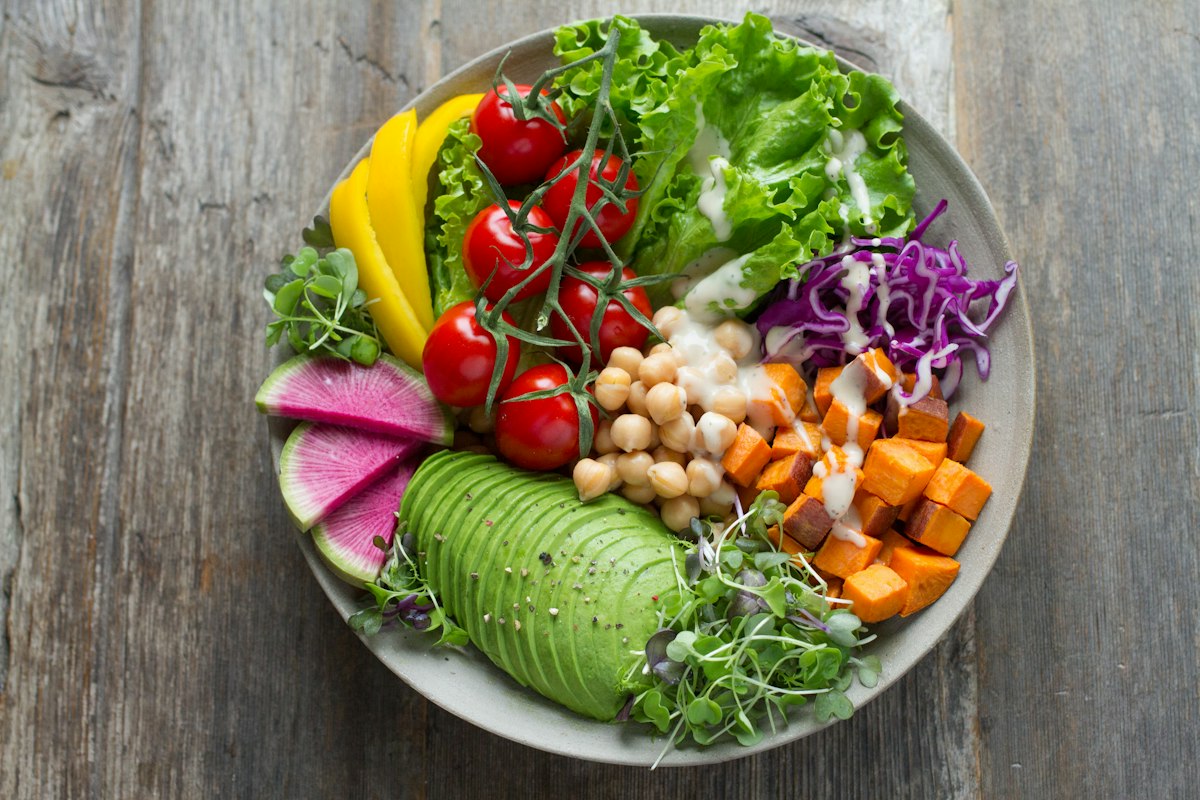
Classic Niçoise-Style Salad
Green beans, cherry tomatoes, hard-boiled eggs, tuna, and olives dressed with olive oil and Dijon mustard. A protein-rich, fibre-packed meal that satisfies without the sugar spike.
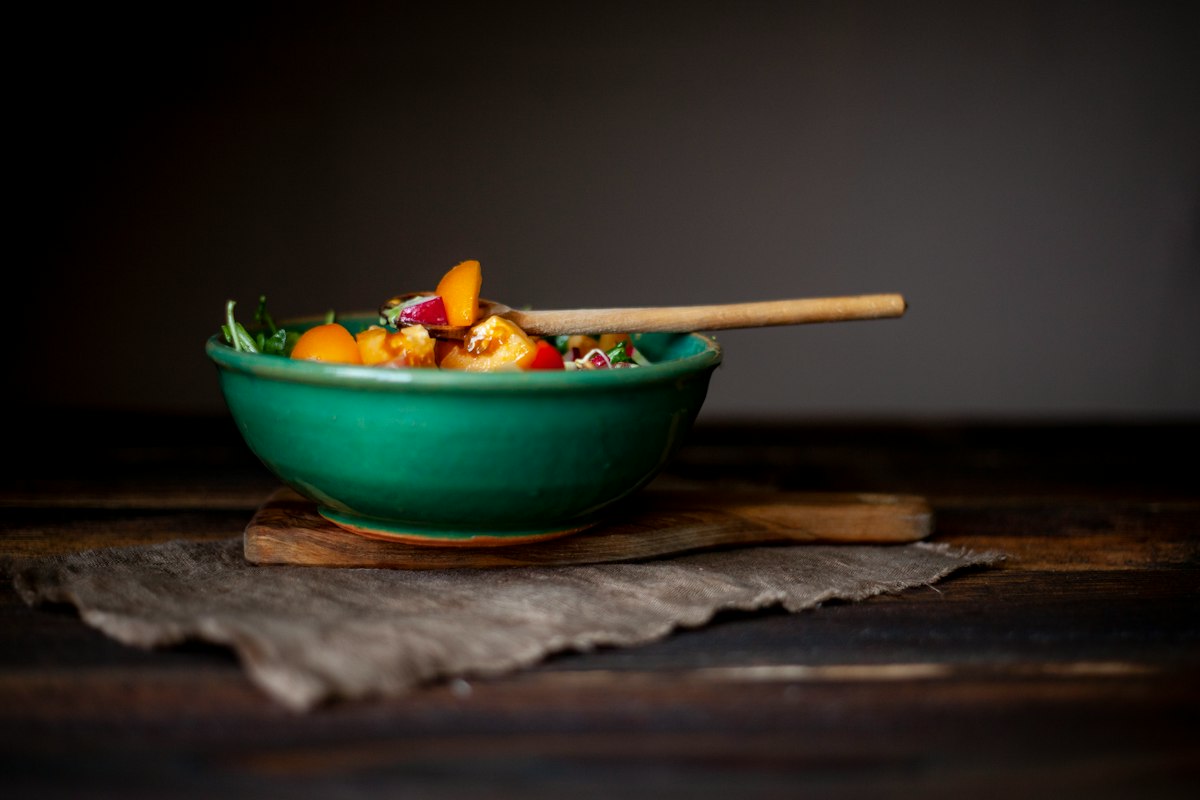
Chickpea & Roasted Pepper Bowl
Roasted red and yellow peppers combined with canned chickpeas, cucumber, red onion, parsley, and a lemon-tahini drizzle. A fully plant-based option that delivers lasting fullness and impressive flavour.
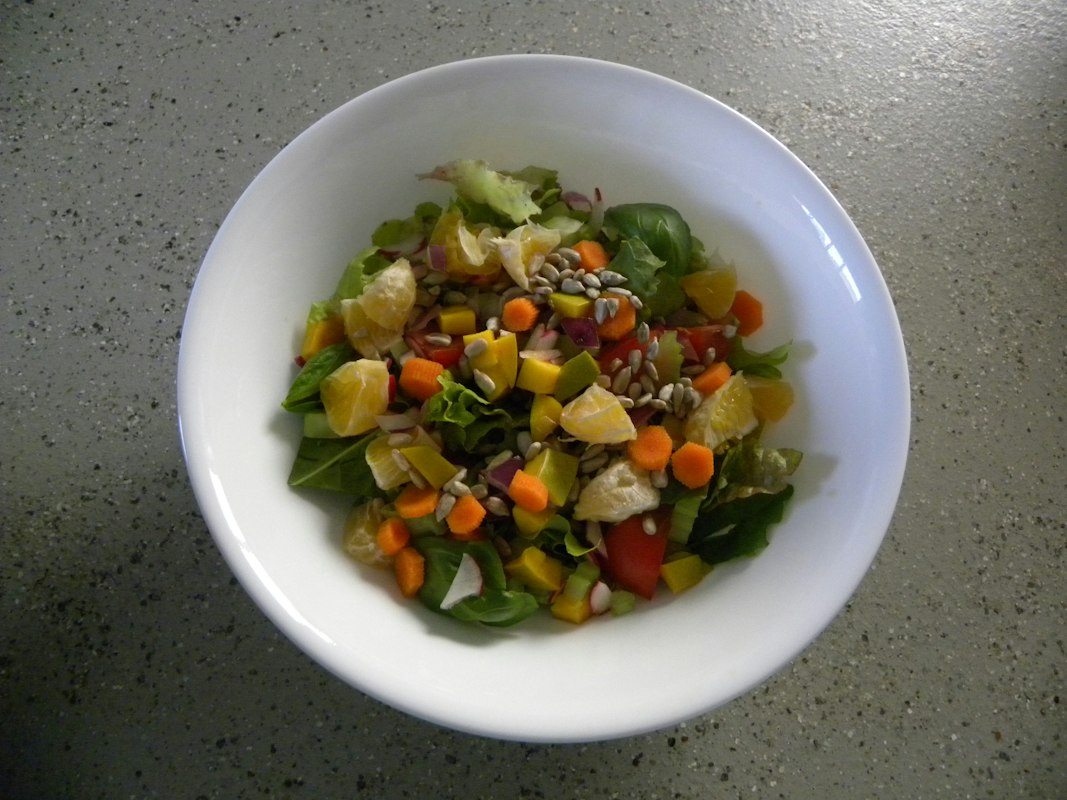
Avocado, Spinach & Walnut Salad
Baby spinach, creamy avocado, toasted walnuts, sliced strawberries, and a balsamic vinaigrette. Rich in omega-3s, folate, and antioxidants — one of the most nutritionally complete salads you can prepare at home.
Want Deeper Nutrition Guides?
Our editorial library covers everything from understanding the glycemic index to building a full week of blood-sugar-friendly menus. Browse our complete archive of guides and articles at no cost.
Browse All Nutrition GuidesCommon Questions About Blood-Sugar-Friendly Eating
Our editorial team answers the questions readers ask most often about building smarter, healthier daily eating habits.
What Our Readers Are Saying
Real feedback from real readers who found Potencynutrition's guides genuinely useful in reshaping their daily eating habits.
"I came across Potencynutrition while searching for practical information about eating habits that suit people who need to be careful about blood sugar. The guides here are genuinely different from what you find on generic health websites — the explanations are clear, the food suggestions are realistic for everyday French cooking, and the salad recipes actually taste good. I have been following the low-GI meal framework for several months now and I feel markedly better — more energy in the afternoons, fewer cravings, and a much healthier relationship with food overall."
Marie-Claire Bertrand
Lyon, France