
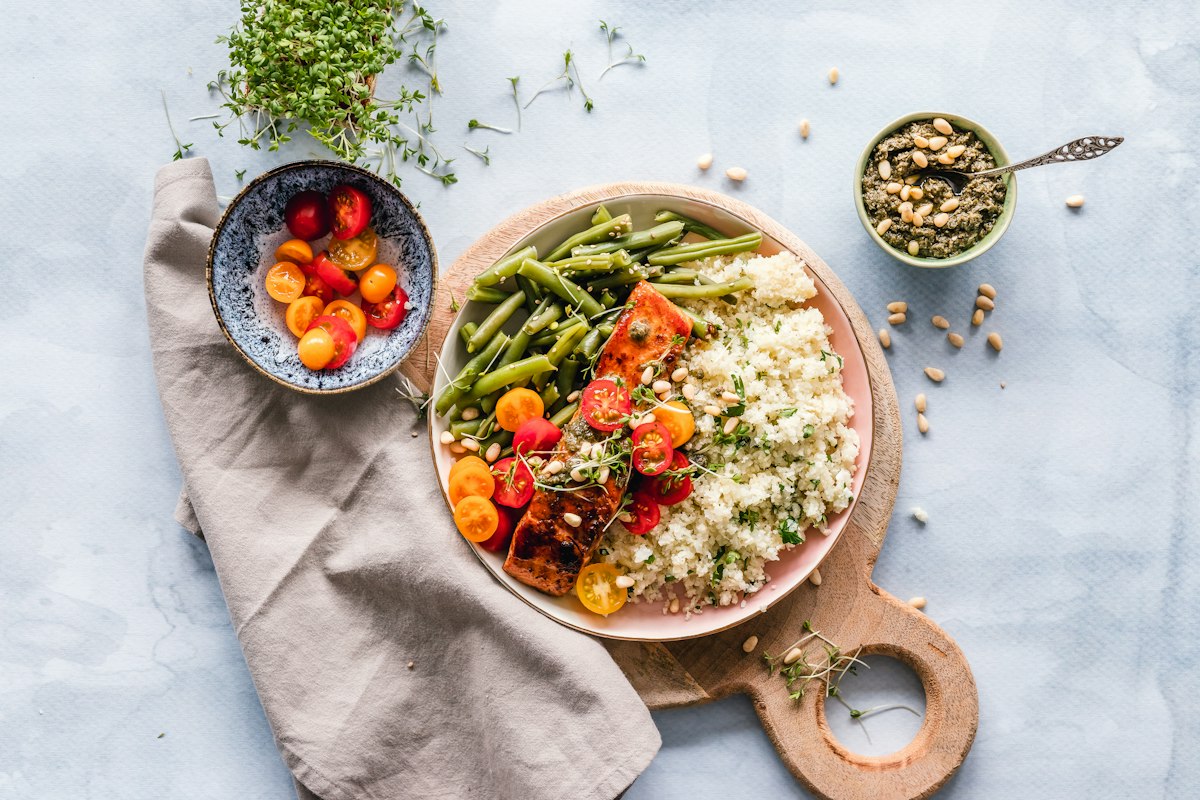
Eat Smart Every Day —
Best Foods & Salads
for Blood Sugar Balance
Discover which everyday foods and vibrant salad combinations support stable blood sugar levels, promote lasting energy, and fit perfectly into a mindful daily eating routine. Our editorial team in France has compiled the most up-to-date nutritional guidance to help you make informed choices at every meal.
Looking for practical, science-backed eating tips? Read our latest articles on the blog
Why Food Choices Matter for Blood Sugar Balance
Understanding a few key nutritional principles can transform how you approach every meal — here are the pillars our guides are built on.
Glycemic Index Awareness
Foods with a low glycemic index release glucose gradually into the bloodstream, helping maintain steady energy without sudden spikes. Choosing wisely at each meal makes a meaningful difference over time.
Fiber-Rich Foundations
Dietary fiber slows the absorption of carbohydrates, reducing post-meal blood sugar fluctuations. Vegetables, legumes, and whole grains form the backbone of any blood-sugar-friendly eating plan.
Hydration & Micronutrients
Staying well-hydrated and consuming a variety of vitamins and minerals supports normal metabolic function. Colorful salads and fresh produce are among the most efficient ways to achieve this daily.
Why Choosing the Right Foods Is Essential for Daily Balance
The foods you eat every day have a direct and measurable effect on how your body manages blood sugar. Refined carbohydrates, sugary drinks, and heavily processed snacks cause rapid fluctuations that leave you feeling drained and irritable. By contrast, whole foods — leafy greens, legumes, nuts, lean proteins, and healthy fats — work in harmony to keep energy levels stable and support overall well-being.
Research consistently shows that a diet rich in plant-based foods and low in ultra-processed items can significantly reduce the risk of long-term blood sugar imbalances. This is not about restrictive dieting — it is about building sustainable, enjoyable eating habits. At Potencynutrition, our editorial team curates the most practical guidance so that healthy eating feels achievable, even on busy weekdays in France.
- Whole foods support steady energy throughout the day without afternoon crashes.
- Plant-based meals are naturally lower in unhealthy fats and refined sugars.
- Smart food pairing reduces the overall glycemic load of any given meal.
- Consistent healthy eating habits are more effective than short-term diets.
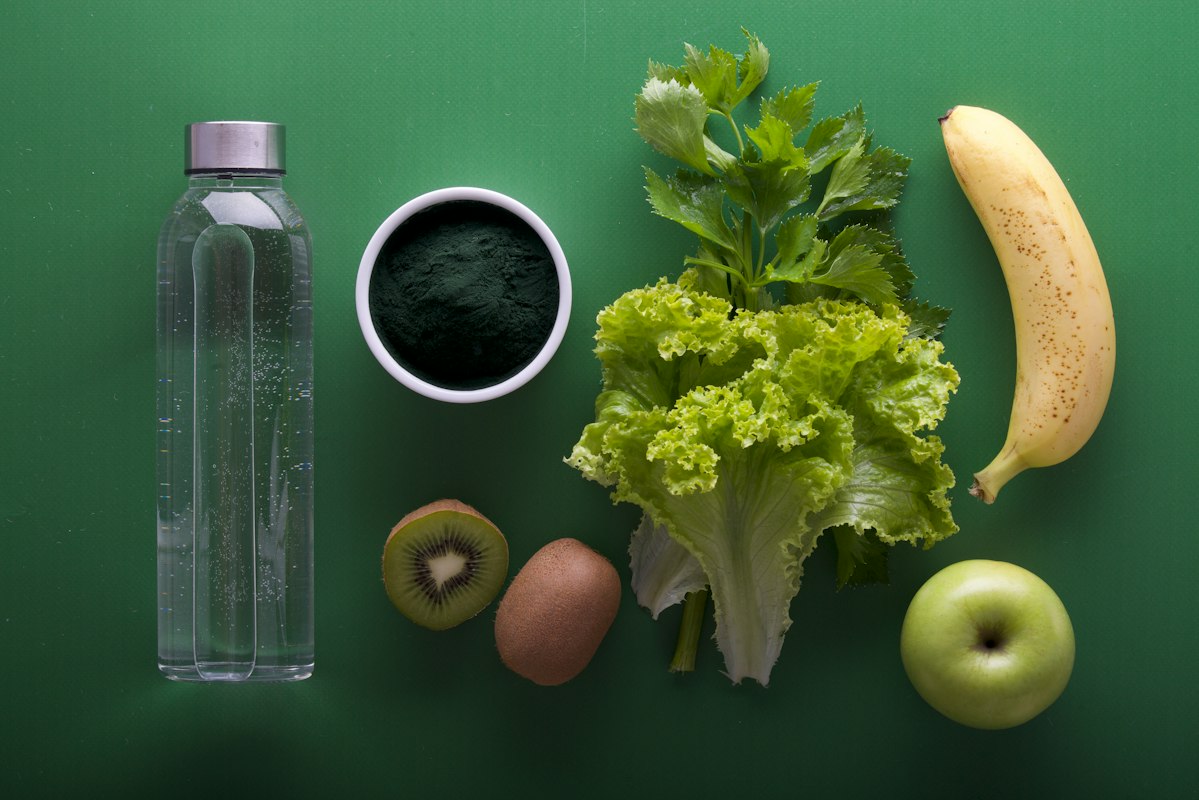
Top Blood-Sugar-Friendly Superfoods to Include Daily
These six foods stand out for their exceptional nutritional profiles and their ability to support balanced blood sugar as part of a varied, enjoyable diet.
Dark Leafy Greens
Spinach, kale, and Swiss chard are extremely low in digestible carbohydrates and packed with magnesium, a mineral that plays a key role in normal glucose metabolism. Add a generous handful to every salad or stir-fry for an instant nutritional boost.
Learn moreLegumes & Lentils
Chickpeas, lentils, black beans, and green peas offer a powerful combination of plant-based protein and soluble fiber, which together slow digestion and reduce post-meal glucose rises. They are also incredibly versatile — perfect in warm salads, soups, or as a side dish.
Learn moreAvocado
Rich in heart-healthy monounsaturated fats and fiber, avocado has a negligible effect on blood sugar while providing remarkable satiety. Sliced over a salad or mashed as a dressing base, it adds creaminess without relying on refined ingredients.
Learn moreBerries
Blueberries, raspberries, and strawberries have a relatively low glycemic index for fruits and are bursting with antioxidants. A small portion added to a breakfast bowl or a leafy salad contributes natural sweetness without an excessive sugar load.
Learn moreNuts & Seeds
Walnuts, almonds, flaxseeds, and chia seeds deliver healthy fats, protein, and fiber in every small serving. Sprinkled over salads or eaten as a snack, they support prolonged fullness and help moderate the glycemic effect of a mixed meal.
Learn moreOily Fish
Salmon, sardines, and mackerel are exceptional sources of omega-3 fatty acids and high-quality protein, both of which have no direct impact on blood glucose. Flaked over a salad or served with roasted vegetables, they make a satisfying, nutrient-dense meal.
Learn moreWant More In-Depth Nutritional Articles?
Our editorial team regularly publishes detailed guides on smart eating, low-glycemic recipes, and practical food planning for everyday life in France.
How to Build the Perfect Blood-Sugar-Friendly Salad
Assembling a nourishing, satisfying salad is simpler than you might think. Follow these steps to create a balanced bowl that tastes great and keeps you feeling full for hours.
Start with a Leafy Green Base
Choose two or three varieties of dark leafy greens such as baby spinach, rocket (arugula), or mixed lettuce. Greens are virtually carbohydrate-free, high in fiber, and loaded with vitamins K, A, and C. A generous base of about 80–100 g sets the nutritional foundation for your entire bowl.
Add Non-Starchy Vegetables
Pile on a rainbow of low-glycemic vegetables: cucumber, bell peppers, tomatoes, celery, radishes, red cabbage, and fennel all work beautifully. The variety of colors signals a wide array of antioxidants and phytonutrients. Aim to cover at least half your bowl with this colorful layer.
Include a Quality Protein Source
Protein is essential for slowing glucose absorption and maintaining satiety. Good choices include grilled salmon, canned sardines, hard-boiled eggs, cooked lentils, chickpeas, or cubed firm tofu. A portion of about 100–150 g is generally sufficient to make the salad a complete meal.
Dress with Healthy Fats
Skip sugary shop-bought dressings in favor of a simple homemade option: two tablespoons of extra-virgin olive oil, a squeeze of lemon juice or apple cider vinegar, and a pinch of herbs. Fat slows digestion further and helps absorb fat-soluble vitamins from your greens. Finish with a small handful of nuts or seeds for satisfying crunch.
Add a Modest Carbohydrate Element
A small portion of complex carbohydrates — cooked quinoa, barley, or a few slices of roasted sweet potato — adds substance and energy without dramatically increasing the glycemic load of the meal. The key is moderation: roughly a quarter of your bowl, no more.
Season & Garnish Wisely
Fresh herbs like parsley, basil, coriander, and dill not only elevate flavor dramatically but also contribute additional micronutrients. A pinch of cinnamon or turmeric in your dressing adds depth and has been linked to supportive metabolic properties. Avoid croutons, sugary toppings, and processed cheese in large amounts.
Colorful Low-Glycemic Salad Ideas
From Mediterranean-style bowls to hearty grain salads, these combinations prove that eating for blood sugar balance is anything but boring.
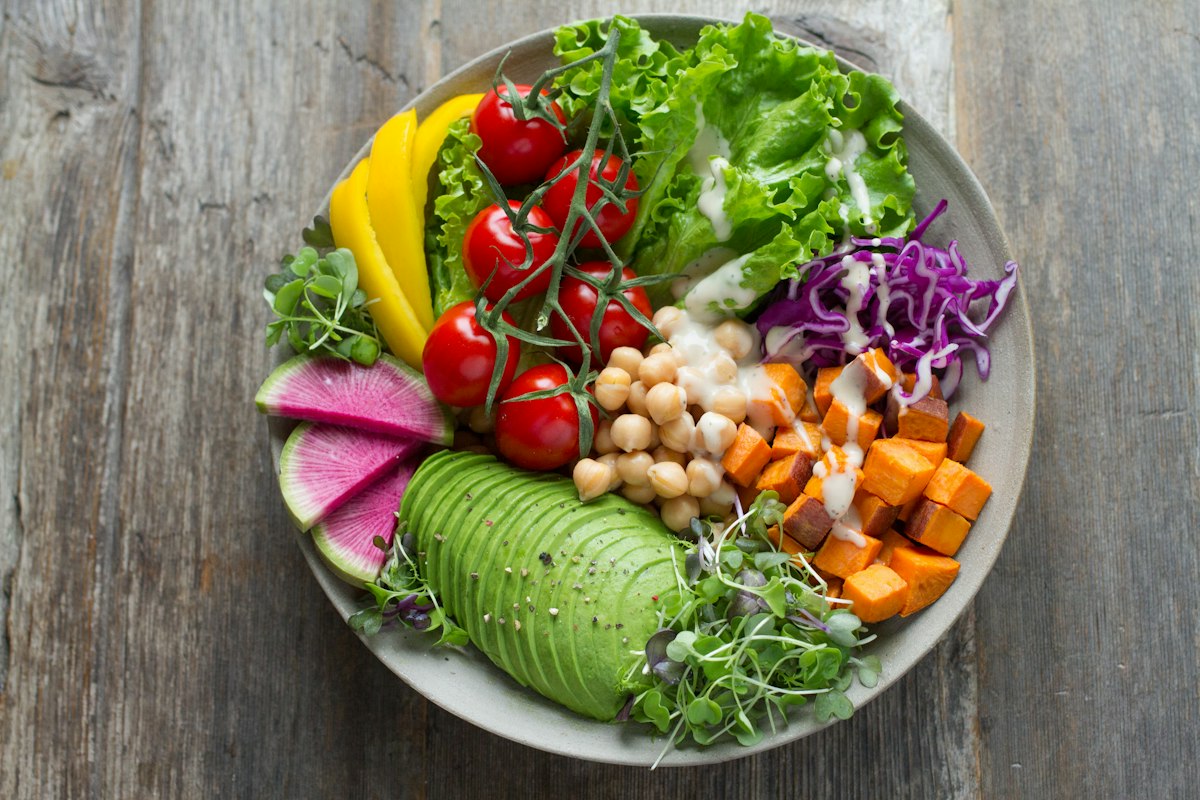
Mediterranean Chickpea Bowl
Chickpeas, cucumber, cherry tomatoes, kalamata olives, red onion, and lemon-herb dressing — a complete and satisfying meal full of fiber and plant protein.
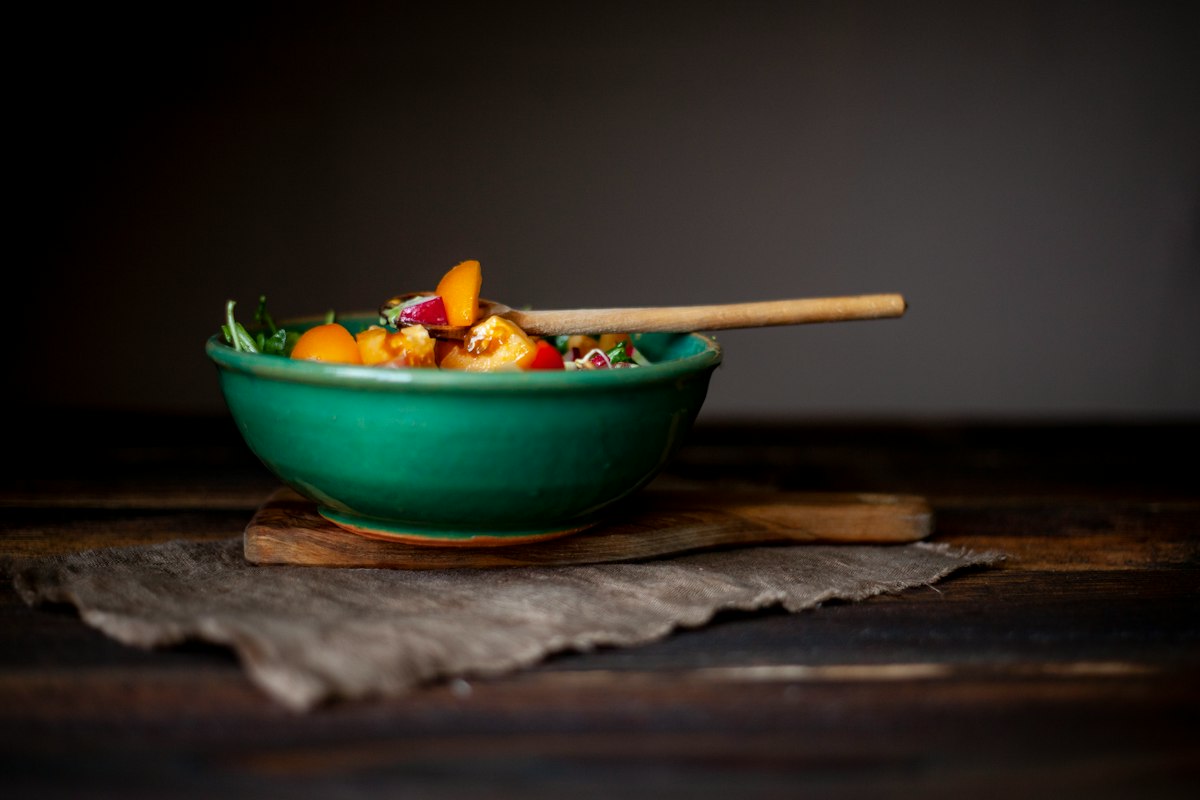
Salmon & Avocado Spinach Salad
Baby spinach, flaked grilled salmon, sliced avocado, sesame seeds, and a light ginger-soy dressing — a stunning combination of omega-3s and healthy fats.
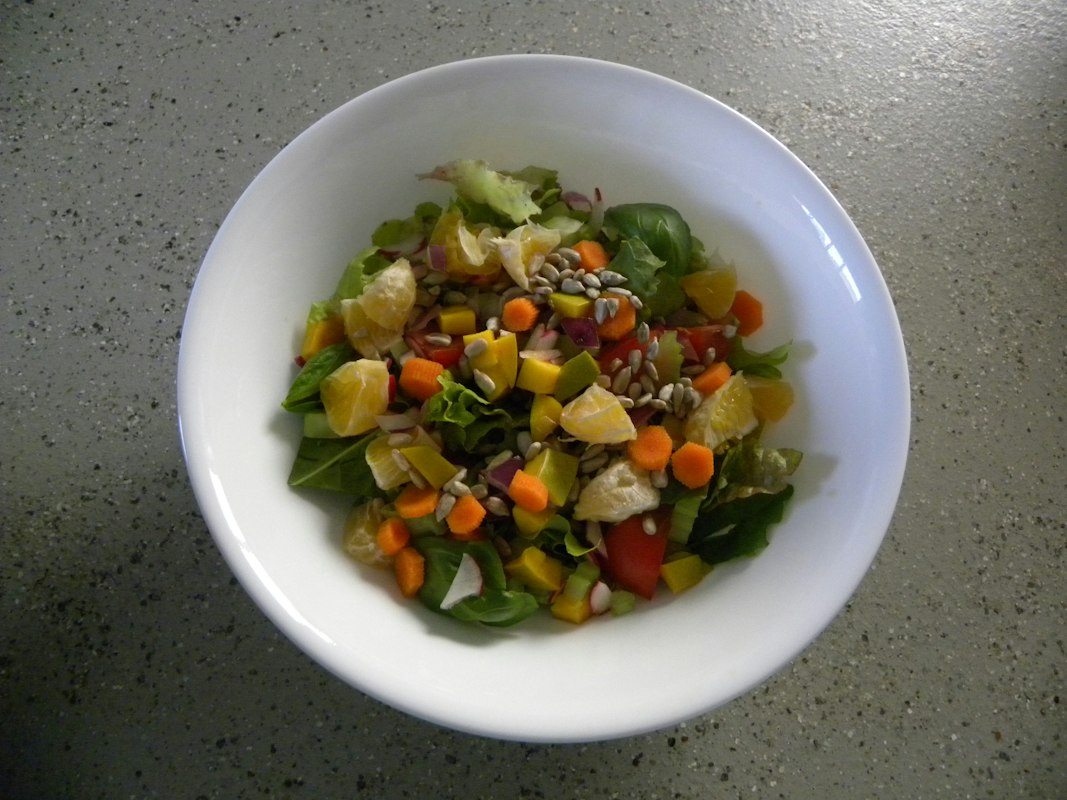
Warm Lentil & Roasted Vegetable Salad
Puy lentils, roasted courgette, red pepper, and beetroot, topped with a tahini-lemon drizzle and fresh mint — comforting and deeply nourishing.
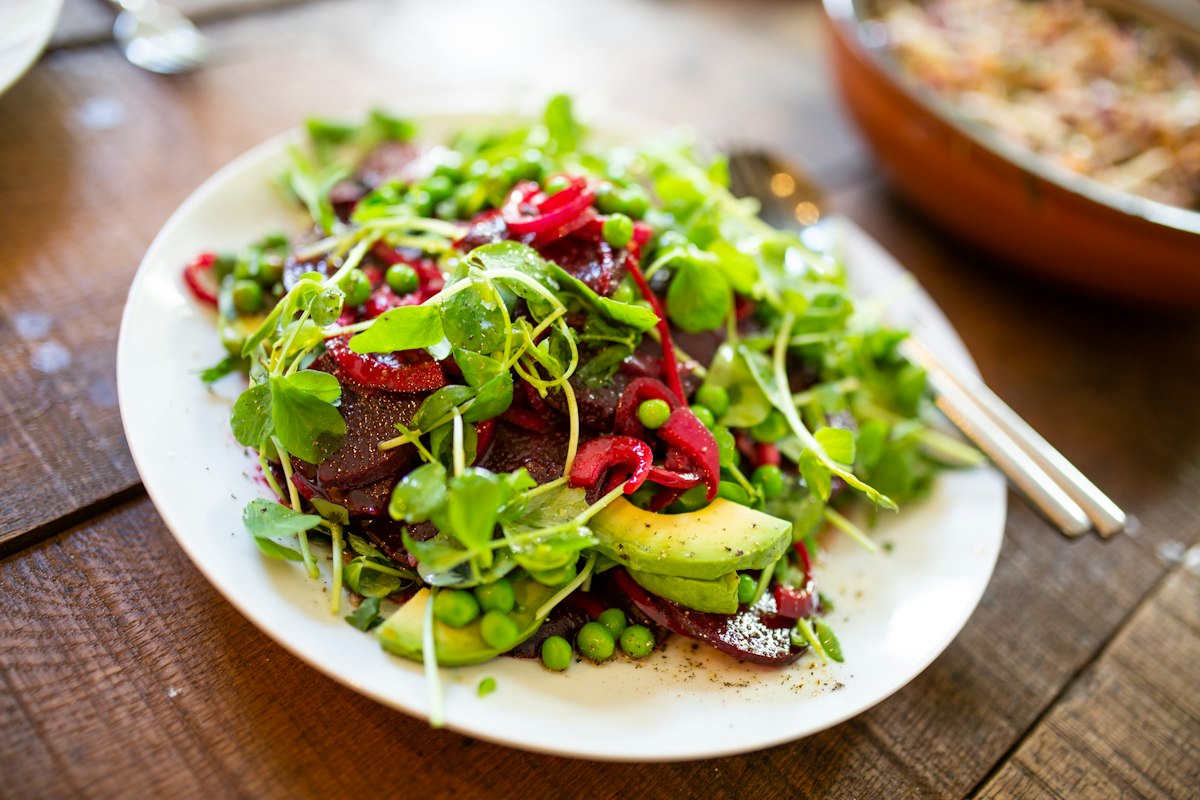
Herbed Quinoa & Feta Bowl
Fluffy quinoa tossed with cucumber, fresh dill, parsley, and crumbled feta — light, refreshing, and packed with plant protein.
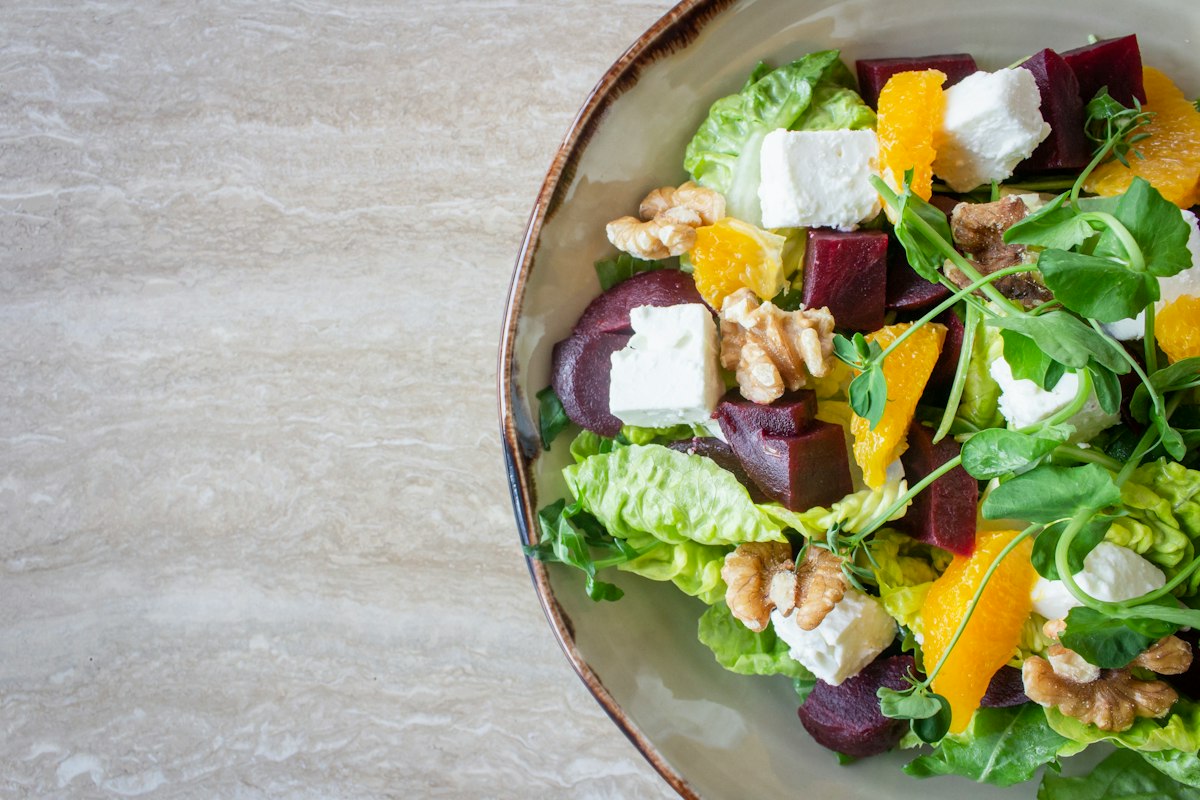
Berry & Nut Butter Overnight Oats
Rolled oats soaked in oat milk, layered with mixed berries, a swirl of almond butter, and a sprinkle of chia seeds — perfect grab-and-go nutrition.
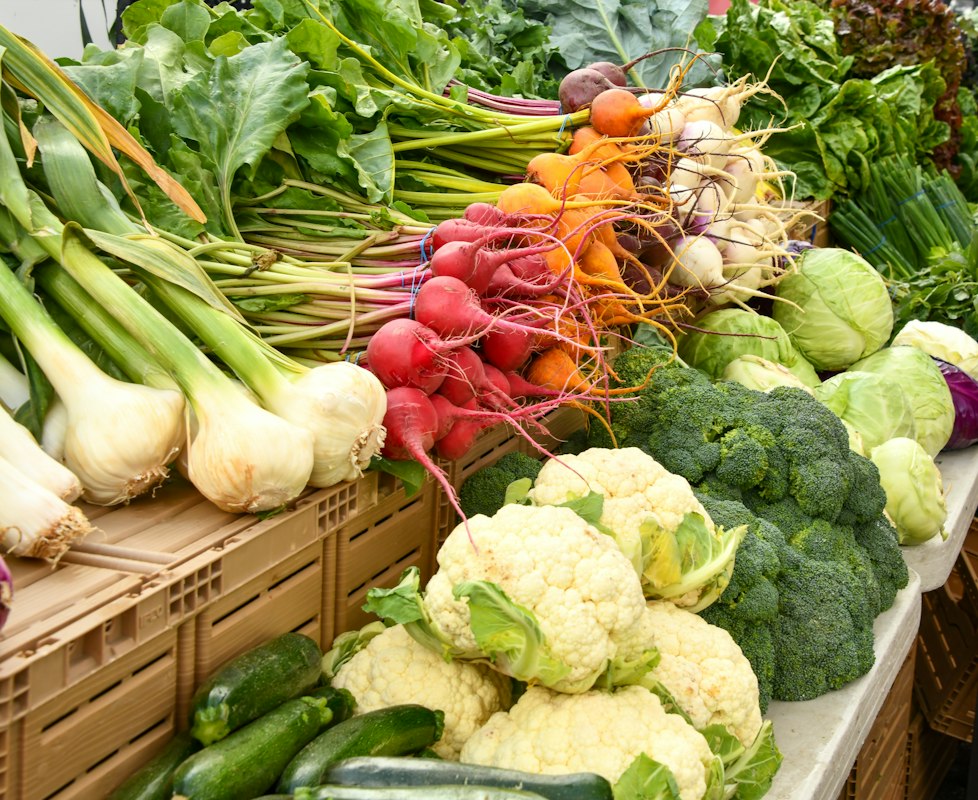
Grilled Salmon & Sweet Potato Plate
Omega-3-rich salmon fillet alongside roasted sweet potato wedges and wilted spinach with garlic — a balanced, energy-sustaining meal.
What Our Clients Say
Thousands of people have transformed their relationship with food and their bodies through Potencynutrition. Here are a few of their stories.
"I've tried every diet going and nothing stuck — until Potencynutrition. The meal plans are genuinely delicious and I never feel deprived. I've lost significant weight in three months and I actually enjoy eating again."
Sarah C.
Manchester, UK
"My energy levels are through the roof. As a busy dad working full-time, I needed practical, fast meal ideas that were actually healthy. Potencynutrition delivered exactly that — clear guidance, great recipes, brilliant support."
James M.
Bristol, UK
"After my diagnosis with type 2 diabetes, I was overwhelmed. My nutritionist through Potencynutrition helped me completely overhaul my diet without it feeling like a punishment. My blood sugar is now well controlled and I feel incredible."
Linda P.
Edinburgh, UK
12,400+
Happy Clients
96%
Satisfaction Rate
350+
Curated Recipes
8 yrs
Expert Experience